
Are pneumatic actuators suitable for frequent start-stop working conditions?
2026-08-08 ব্লগ
Are Pneumatic Actuators Suitable for Frequent Start-Stop Working Conditions?
Introduction
In industrial fluid control systems, valve actuators face demanding operational requirements every day. For example, many production lines require hundreds of open-close cycles within a single hour. As a result, engineering teams and procurement managers often ask one critical question: can pneumatic actuators handle frequent start-stop conditions reliably? This article explores the performance, advantages, limitations, and practical considerations of pneumatic actuators under high-cycle duty scenarios. By the end, readers will understand whether this technology fits their specific application needs.
How Pneumatic Actuators Handle Start-Stop Cycles
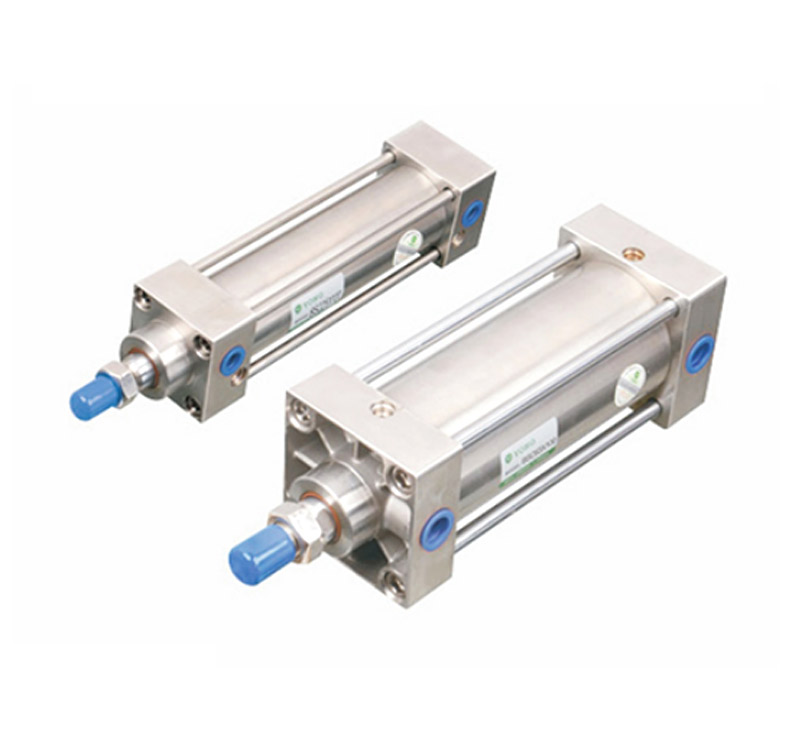
First, it helps to understand the basic mechanics behind pneumatic operation. Pneumatic actuators use compressed air to drive a piston or diaphragm inside a sealed chamber. Unlike electric motors, they contain very few rotating or rubbing components. Therefore, they generate minimal heat during repeated cycling. In fact, most rack-and-pinion models can perform millions of cycles before requiring maintenance. This inherent simplicity makes them naturally tolerant of rapid, repeated start-stop sequences.
Key Advantages for Frequent Operation
Beyond mechanical simplicity, pneumatic actuators offer several distinct benefits for high-cycle use. First, they deliver extremely fast response times. A standard double-acting actuator can fully stroke in less than one second. Consequently, they keep pace with fast production processes without lag. Second, they tolerate stall conditions without damage. When an actuator reaches its end stop, compressed air simply holds pressure instead of burning out. Third, they operate safely in explosive or hazardous environments. Because they use no electricity at the valve point, they eliminate spark risks entirely.
Limitations and Practical Considerations
Despite these strengths, pneumatic actuators do have constraints under frequent start-stop conditions. First, they require a steady supply of clean, dry compressed air. Poor air quality accelerates seal wear and causes premature failure. Second, high cycling rates increase air consumption significantly. This raises energy costs and may require larger compressor capacity. Third, extremely fast cycling can cause water hammer in connected piping. For this reason, engineers often add speed control valves to soften stroke timing. Finally, cold ambient temperatures can introduce moisture freezing issues inside air lines.
Real-World Industry Applications
Many industrial sectors already rely on pneumatic actuators for high-cycle duties. In petroleum refining, for instance, they control small bypass valves that cycle continuously. In water treatment plants, they regulate chemical dosing valves with frequent, precise adjustments. In pulp and paper manufacturing, they manage stock flow control across production lines. Similarly, chemical processing facilities use them on sampling systems that open and close repeatedly. Even in steel mills, they handle cooling water valves that cycle throughout each production shift.
Best Practices for Maximizing Service Life
To ensure long life under frequent start-stop conditions, follow these proven recommendations. First, install proper air preparation equipment, including filters, regulators, and lubricators. Clean, lubricated air reduces internal friction and extends seal life dramatically. Second, adjust cycle speed with flow control valves on both ports. Slower, controlled strokes reduce mechanical shock and water hammer effects. Third, specify actuators with high-quality NBR or FKM seals rated for dynamic duty. Fourth, schedule regular inspection intervals to catch wear before it causes downtime. Fifth, size the compressed air system adequately to avoid pressure drops during peak usage.
Making the Right Selection for Your Application
Choosing the correct pneumatic actuator depends on several application-specific factors. Start by calculating your required cycles per minute and total daily cycle count. Next, evaluate your available air supply pressure and quality standards. Then, consider the ambient environment, including temperature range and explosion hazard classification. Also, factor in valve torque requirements and available mounting options. Finally, compare total cost of ownership, including maintenance, energy, and replacement expenses. For most moderate to high-cycle industrial applications, pneumatic actuators remain the most cost-effective and reliable choice.
Conclusion
In summary, pneumatic actuators perform exceptionally well under frequent start-stop working conditions. Their simple mechanical design, fast response, and inherent safety make them ideal for high-cycle industrial use. While they require proper air preparation and careful sizing, these requirements are straightforward to address. For procurement managers and system integrators across oil and gas, chemical, water treatment, and manufacturing sectors, pneumatic technology delivers proven reliability and lower long-term maintenance costs. When selected and installed correctly, pneumatic actuators provide millions of trouble-free cycles, making them a smart investment for any demanding fluid control application.
জনপ্রিয় পণ্যসমূহ
আমাদের সাথে যোগাযোগ করুন
যোগ করুন: রুম ২০৩-১, দ্বিতীয় তলা, ব্লক এ, নং ৯, শিনচিন রোড, শিনউ জেলা, উশি শহর, জিয়াংসু প্রদেশ, গণপ্রজাতন্ত্রী চীন
মোবাইল:0086-188-5271-7918
Email:william@wxaccton.com
ওয়েবসাইট:www.actuator-china.com