
Is Air Filter Regulator Necessary For Industrial Valve Actuators
2026-07-14 ব্লগ
Procurement teams across heavy industry often wonder whether a small air filter regulator really matters much. In practice, this modest component quietly shapes how reliably pneumatic control systems behave every single day. However, some buyers still remove it during budget cuts, hoping to trim a few dollars. Meanwhile, plant engineers often see the painful results of that choice within a few months. Therefore, this article breaks down the real purpose, benefits, and limits of this tiny fitting. Ultimately, it helps buyers and system integrators make smarter, safer, and more confident decisions.
What an Air Filter Regulator Actually Does
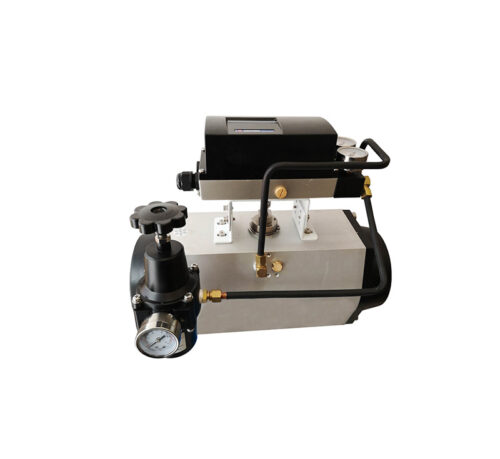
First, this device cleans compressed air by trapping dust, water droplets, and fine oil mist. At the same time, its regulator section holds the outgoing pressure at a stable target. Because both jobs happen together, the air reaching downstream equipment stays clean and steady. In addition, many models include a drain that removes collected water without manual effort. As a result, operators enjoy cleaner airflow, fewer surprises, and far simpler daily maintenance. Thus, this compact unit blends filtration and control into one practical and affordable package.
Why Clean Air Protects the Valve Actuator
Inside every plant, compressed air often travels through long pipes filled with rust and scale. Consequently, dirt, moisture, and oil can flow straight into the actuator during normal operation. Over time, these contaminants scratch seals, block ports, and slowly wear the internal parts. For that reason, a clean air supply keeps these moving components healthy and responsive. Moreover, filtered air greatly lowers the risk of sudden jams during critical process steps. So, clean air acts like a shield that guards a valuable and hardworking device.
Pressure Stability and Actuator Performance
Indeed, every actuator needs a precise pressure range to open and close on time. When the supply pressure swings too high, seals wear quickly and small leaks appear. Conversely, low pressure leaves valves sluggish, half open, or completely stuck in place. Because of this, a good regulator locks the pressure inside a safe working band. Additionally, stable pressure improves timing accuracy across the entire automated control loop. In turn, steady performance extends service life and keeps the whole process running smoothly.
Common Problems Without Proper Air Treatment
Without filtration, plants often face frozen valves, drifting positioners, and stalled actuators. For instance, trapped moisture can freeze in cold climates and completely block airflow. Likewise, oil buildup gums up narrow passages and slows the response of critical components. Then, unplanned downtime spreads across the line and quickly drains both time and money. Meanwhile, repair crews spend long hours fixing faults that simple air treatment could prevent. Clearly, these avoidable failures cost far more than the small price of one fitting.
When the Device Might Not Be Essential
Of course, this fitting does not suit every single air system equally. For example, some modern plants already run central dryers and high-grade filtration units. Under such conditions, an extra local unit adds only limited practical value. Still, air quality often changes with weather, load, and compressor wear over time. Because of that uncertainty, most engineers still fit a local regulator as cheap insurance. Overall, only very clean and controlled air systems can safely skip this addition.
Cost, Reliability, and Smart Procurement
From a budget angle, this part costs very little compared with the actuator it guards. Yet, its absence can trigger costly downtime that ripples across a whole production line. Therefore, smart buyers weigh long-term reliability against a very small upfront investment. Moreover, reliable air handling raises safety and shields nearby staff from sudden equipment faults. When choosing a model, buyers should match flow rate, port size, and pressure range carefully. As a result, most experienced teams treat this fitting as a standard, expected component.
How Air Treatment Supports Long-Term Uptime
Beyond daily use, clean and stable air also supports strong long-term plant reliability. Since contaminants build slowly, damage often stays hidden until a costly failure appears. Therefore, steady air treatment helps teams catch small issues before they grow serious. Moreover, consistent conditions make maintenance planning easier and far more predictable each quarter. As a result, plants keep tighter control over budgets, schedules, and overall equipment health. Through this effect, one small fitting quietly strengthens the reliability of a large facility.
A Practical View for Global Buyers
Across global markets, procurement managers face tight budgets, strict timelines, and demanding quality standards. To EPC contractors, every small fitting must prove its worth across a project life. Given that reliability drives reputation, integrators rarely gamble on dirty air supplies. Consequently, most buyers include this fitting within their standard specification from the start. Notably, a documented spec also simplifies audits, warranties, and future spare-part orders. So, this simple choice supports smoother projects, happier clients, and stronger supplier trust.
Conclusion
To summarize, an air filter regulator delivers clean air and stable pressure together. Since both benefits protect the actuator, this humble part clearly earns its place. For most industrial sites, therefore, the honest answer leans strongly toward a clear yes. Still, every project deserves a quick review of its own unique air conditions. Ultimately, wise buyers gain longer service life, fewer faults, and much calmer operations.
জনপ্রিয় পণ্যসমূহ
আমাদের সাথে যোগাযোগ করুন
যোগ করুন: রুম ২০৩-১, দ্বিতীয় তলা, ব্লক এ, নং ৯, শিনচিন রোড, শিনউ জেলা, উশি শহর, জিয়াংসু প্রদেশ, গণপ্রজাতন্ত্রী চীন
মোবাইল:0086-188-5271-7918
Email:william@wxaccton.com
ওয়েবসাইট:www.actuator-china.com